Backpacking essentials for winter camping: Tips and Gear for Cold-Weather Adventures
Backpacking Essentials for Winter Camping
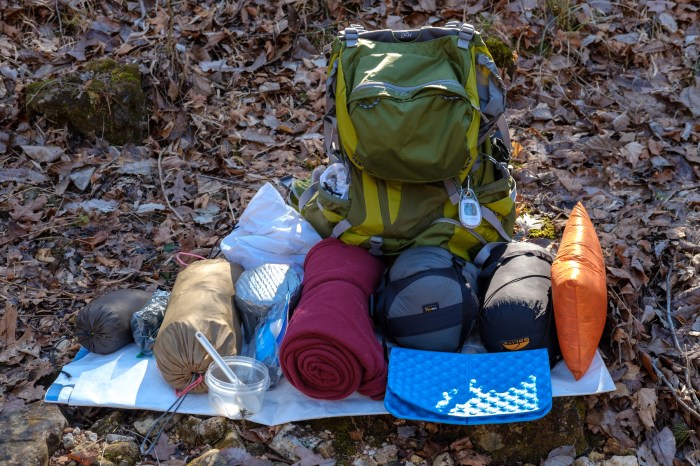
Backpacking essentials for winter camping – When venturing out for winter camping, it’s crucial to be well-prepared with the right gear and clothing to stay warm and safe in cold conditions. Here are some essential items you’ll need:
Essential Clothing Items for Winter Camping
Layering is key when it comes to staying warm in winter. Here are some essential clothing items to pack:
- Base Layer: Moisture-wicking thermal tops and bottoms to keep you dry.
- Insulating Layer: Fleece or down jacket to trap heat.
- Outer Layer: Waterproof and windproof jacket and pants to protect against the elements.
- Hat, gloves, and scarf: Keep extremities warm and protected.
- Wool socks and insulated boots: Keep your feet warm and dry.
Must-Have Gear for Winter Camping
Having the right gear can make a huge difference in your winter camping experience. Make sure to pack:
- Four-season tent: Provides better insulation and protection from the cold.
- Sleeping bag rated for winter temperatures: Stay warm and cozy during the night.
- Camping stove: Cook warm meals and beverages to keep you fueled.
- Snow shovel and ice axe: Essential for clearing snow and navigating icy terrain.
Selecting Appropriate Footwear for Winter Conditions
Choosing the right footwear is crucial for winter camping to keep your feet warm, dry, and safe. Consider these tips:
- Insulated boots with good traction to prevent slipping on snow and ice.
- Waterproof and breathable materials to keep your feet dry and comfortable.
- Proper fit to prevent blisters and ensure circulation for warmth.
Travel Tips
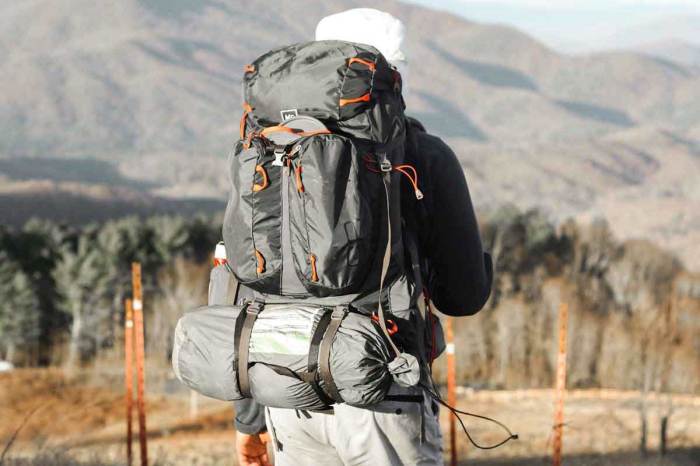
Preparing for a winter camping trip involves careful planning and consideration of various factors to ensure a safe and enjoyable experience. Checking weather forecasts, packing appropriate gear, and knowing how to navigate snowy terrain are essential for a successful winter backpacking adventure.
Checking Weather Forecasts
When planning a winter camping trip, it is crucial to stay updated on the weather conditions in the area you will be visiting. Check the forecast regularly leading up to your trip and be prepared for changing weather patterns. This will help you pack the right clothing and gear to stay warm and dry during your adventure.
Safety Measures in Cold Weather
Safety should always be a top priority when backpacking in cold weather. Be sure to pack extra layers of clothing, emergency supplies, and a reliable communication device in case of an emergency. Avoid overexerting yourself in extreme cold and keep an eye out for signs of hypothermia or frostbite.
Staying Hydrated and Maintaining Energy Levels
In cold weather, it can be easy to overlook the importance of staying hydrated. Drink plenty of water throughout your winter camping trip to prevent dehydration, even if you do not feel thirsty. Additionally, bring high-energy snacks and warm beverages to help maintain your energy levels during long days of hiking in the snow.
Navigating Snowy or Icy Terrain
When hiking in snowy or icy conditions, it is essential to have the right gear, such as traction devices for your boots and trekking poles for added stability. Take slow and deliberate steps to avoid slipping on icy surfaces and be cautious when crossing frozen bodies of water.
Familiarize yourself with basic winter navigation techniques to stay on course and avoid getting lost in the snow.
Travel Itinerary
Planning a winter camping trip requires careful consideration and organization to ensure a safe and enjoyable experience. Here is a sample itinerary for a winter camping trip, along with tips and insights to make the most of your adventure.
Sample Itinerary
- Day 1: Arrive at the designated camping site. Set up camp and familiarize yourself with the surroundings.
- Day 2: Explore the area with a day hike to a nearby frozen waterfall or scenic viewpoint.
- Day 3: Take a break from hiking and enjoy some ice fishing on a nearby frozen lake.
- Day 4: Embark on a snowshoeing expedition through the snowy forest trails.
- Day 5: Pack up camp and head back, making sure to leave no trace of your presence.
Considerations for Planning, Backpacking essentials for winter camping
- Check weather forecasts regularly and be prepared for sudden changes in winter conditions.
- Pack appropriate gear, including layers of clothing, a four-season tent, sleeping bag rated for cold temperatures, and high-energy snacks.
- Plan your route carefully, considering the terrain, daylight hours, and potential hazards like avalanches or snowdrifts.
Tips for Optimization
- Maximize daylight hours by planning activities during the brightest parts of the day.
- Prepare meals in advance to save time and fuel while camping in cold weather.
- Stay hydrated and well-nourished to maintain energy levels throughout your trip.
Adventure vs. Relaxation
- Balance challenging activities like snowshoeing or ice climbing with relaxing moments by the campfire or stargazing in the clear winter skies.
- Listen to your body and mind, taking breaks when needed to prevent exhaustion and enjoy the beauty of the winter landscape.
Beach Resorts
The appeal of beach resorts for winter getaways lies in the combination of sun, sand, and sea that offers a refreshing escape from cold weather. Winter beach destinations around the world vary in terms of climate, activities, and amenities, providing a diverse range of options for travelers seeking a beach retreat during the colder months.
Winter Beach Destinations
- Hawaii: With mild temperatures year-round, Hawaii’s beaches are perfect for winter relaxation and water activities.
- Florida, USA: Popular destinations like Miami and Key West offer vibrant beach scenes and a variety of entertainment options.
- Caribbean Islands: From Jamaica to the Bahamas, the Caribbean boasts pristine beaches and luxurious resorts ideal for winter getaways.
- Asia: Countries like Thailand and the Maldives offer tropical beach paradises with crystal-clear waters and lush landscapes.
Activities and Amenities
- Water Sports: Snorkeling, scuba diving, and jet skiing are common activities at beach resorts during the winter season.
- Spa Services: Many beach resorts offer relaxing spa treatments to pamper guests and enhance their vacation experience.
- Dining Options: From beachside bars to fine dining restaurants, beach resorts provide a variety of culinary experiences for guests.
- Entertainment: Evening shows, live music, and cultural performances are often part of the entertainment lineup at beach resorts.
Packing Tips
- Bring Sun Protection: Even in winter, the sun’s rays can be strong, so pack sunscreen, sunglasses, and a hat to protect your skin.
- Layer Clothing: While the beach may be warm during the day, evenings can get chilly, so pack layers to stay comfortable.
- Swimwear: Don’t forget to pack your swimsuits and beachwear to enjoy the water activities and relax by the shore.
- Beach Accessories: Consider bringing a beach bag, flip flops, and a beach towel for a day of fun in the sun.
Cultural Tours
Exploring local culture through cultural tours during the winter season can offer a unique and enriching travel experience. It allows travelers to immerse themselves in the traditions, history, and customs of a particular region, providing a deeper understanding of the local way of life.Identifying popular cultural tour destinations known for winter experiences:
Popular Cultural Tour Destinations
- Japan: Experience the winter festivals, hot springs, and traditional tea ceremonies.
- Scandinavia: Explore the Northern Lights, Sami culture, and cozy winter markets.
- Peru: Discover the ancient ruins of Machu Picchu and participate in traditional Andean ceremonies.
Insights on immersing oneself in local culture during winter travels:
Immersing in Local Culture
- Participate in local festivals and events to engage with the community.
- Try regional cuisine and learn about traditional cooking methods.
- Visit museums, art galleries, and historical sites to learn about the area’s heritage.
Tips on respectful behavior and cultural etiquette during cultural tours:
Cultural Etiquette Tips
- Research and respect local customs and traditions before your trip.
- Dress appropriately and modestly, following the cultural norms of the destination.
- Learn a few basic phrases in the local language to show respect and interest.
- Ask permission before taking photos of individuals or sacred sites.
Cruise Vacations
Cruise vacations in winter offer a unique and appealing experience compared to other seasons. The winter months can provide a quieter and more peaceful atmosphere on board, with fewer crowds and a chance to enjoy the stunning views of the ocean in a different light.
Types of Winter Cruises
When it comes to winter cruises, there are different types to choose from, ranging from tropical to polar destinations. Tropical cruises allow you to escape the cold and enjoy sunny beaches and warm waters, while polar cruises offer the opportunity to witness breathtaking icy landscapes and unique wildlife.
Packing Tips for Winter Cruises
- Layering is key: Pack clothing that can be easily layered to adjust to changing temperatures on board and at different ports of call.
- Don’t forget cold-weather accessories: Be sure to bring items like gloves, hats, scarves, and a warm jacket to stay comfortable in colder climates.
- Footwear considerations: Depending on the type of cruise, pack appropriate footwear such as sandals for a tropical cruise or waterproof boots for a polar expedition.
- Sun protection: Even in winter, the sun can be strong, especially in tropical destinations. Don’t forget to pack sunscreen and sunglasses.
Onboard Activities and Entertainment
Winter cruises offer a variety of onboard activities and entertainment options to keep passengers engaged and entertained throughout the journey. From live music performances and Broadway-style shows to cooking classes and fitness workshops, there is something for everyone to enjoy.
Additionally, many cruise lines have indoor heated pools, spas, and relaxation areas for guests to unwind and rejuvenate during their winter getaway.
Backpacking Trips
Winter backpacking presents unique challenges and rewards for outdoor enthusiasts. The serene beauty of snow-covered landscapes and the peacefulness of the winter wilderness can be truly captivating. However, the cold temperatures, unpredictable weather, and shorter daylight hours require careful planning and preparation.
Personal Experiences
One memorable winter backpacking trip I embarked on was in the Rocky Mountains. The crisp air, the crunch of snow beneath my boots, and the breathtaking views made it a truly unforgettable experience. However, I quickly learned the importance of layering clothing, staying hydrated, and keeping a close eye on the weather forecast.
Preparation for Winter Backpacking
- Ensure you have the appropriate gear, including a four-season tent, a warm sleeping bag, and insulated clothing.
- Practice cold weather camping skills, such as building a snow shelter or starting a fire in snowy conditions.
- Stay physically fit and mentally prepared for the challenges of winter backpacking, including navigating through snow-covered trails and dealing with potentially harsh weather.
Route Planning and Navigation
- Research your chosen trail extensively, taking note of any potential hazards or difficult terrain.
- Carry a detailed map, compass, and GPS device to ensure you stay on course, especially in winter conditions where trails may be obscured by snow.
- Plan your route with safety in mind, considering factors such as distance, elevation gain, and access to water sources.
City Breaks
Taking city breaks in the winter can offer a unique and charming experience. The cities are often beautifully decorated for the holiday season, creating a magical atmosphere. Additionally, you can avoid the crowds that usually flock to popular city destinations during the summer months.
Winter City Destinations
Some winter city destinations known for their charm and attractions include:
- Prague, Czech Republic – Known for its fairytale-like architecture, Christmas markets, and cozy cafes.
- Quebec City, Canada – Offers a charming old town, ice skating, and the famous Winter Carnival.
- Vienna, Austria – Home to stunning palaces, classical music concerts, and delicious winter treats.
Tips for Exploring Cities in Winter
When exploring cities during the winter season, it’s important to:
- Dress warmly and layer up to stay comfortable in the cold weather.
- Check out indoor attractions like museums, galleries, and theaters to escape the chill.
- Try local winter delicacies and warm beverages to experience the city’s culinary delights.
Indoor and Outdoor Activities
In cities during winter, you can enjoy a mix of indoor and outdoor activities such as:
- Ice skating in city squares or indoor rinks.
- Visiting holiday markets to shop for unique gifts and festive decorations.
- Exploring historical sites and landmarks with a dusting of snow for added charm.
Travel Blogs
Travel blogs play a significant role in influencing winter travel decisions, providing valuable insights, tips, and personal experiences that can inspire and guide travelers looking to embark on winter camping and outdoor adventures. These blogs often showcase stunning destinations, share packing lists, offer safety tips, and highlight unique experiences that can help travelers plan their own winter escapades.
Popular Travel Blogs Specializing in Winter Camping and Outdoor Adventures
- Adventure Junkies: Known for in-depth guides on winter camping gear, destinations, and tips for surviving in the cold.
- The Outbound Collective: Features inspiring stories and stunning photography from winter adventurers around the world.
- Explorers Web: Offers a mix of expedition news and personal accounts of winter camping and mountaineering experiences.
- Section Hiker: Focuses on backpacking and hiking, with a winter camping section that provides detailed gear reviews and trip reports.
Impact of Visual Content on Travel Blogs
Visual content, such as travel photography, plays a crucial role in captivating audiences and conveying the beauty and excitement of winter travel experiences. High-quality images of snow-covered landscapes, cozy campfires, and thrilling outdoor activities can inspire readers to explore new destinations and try out winter camping for themselves.
Tips for Starting a Travel Blog on Winter Travel Experiences
- Define your niche: Decide whether you want to focus on winter camping, skiing, snowshoeing, or a combination of outdoor activities.
- Create engaging content: Share personal stories, travel tips, packing lists, and stunning photos to attract and retain readers.
- Build a strong online presence: Utilize social media platforms to promote your blog, engage with followers, and collaborate with other travel influencers.
- Be authentic: Share honest reviews and recommendations to establish trust with your audience and create a loyal following.
Travel Essentials
When embarking on a winter camping trip, it is crucial to pack the right essentials to ensure a safe and comfortable experience in the cold weather. Quality gear and equipment play a significant role in keeping you warm and protected from the elements.
Here are some recommendations and tips for organizing and packing efficiently for your winter backpacking adventure.
Checklist of Essential Items for Winter Camping Trips
- Insulated sleeping bag rated for low temperatures
- Tent designed for winter conditions
- Warm clothing layers (thermal base layers, fleece jackets, insulated pants)
- Waterproof and windproof outer shell clothing
- Sturdy winter boots with good traction
- Hat, gloves, and scarf to protect extremities
- Portable stove or cooking system for hot meals
- High-calorie, easy-to-prepare food and snacks
- Water bottles or hydration system to prevent dehydration
- Headlamp or flashlight with extra batteries
- First aid kit with cold weather supplies
Importance of Quality Gear and Equipment for Winter Travel
Quality gear and equipment are essential for winter travel due to the harsh conditions and low temperatures. Investing in reliable gear can make a significant difference in your comfort and safety during the trip. Insulated clothing, waterproof outer layers, and durable camping equipment are crucial for staying warm and protected in the snow and cold.
Recommendations for Versatile Travel Essentials Suitable for Winter Conditions
- Multi-purpose tool or knife for various tasks
- Emergency shelter or bivy sack for unexpected situations
- Hand warmers or heating packs for added warmth
- Snow goggles or sunglasses to protect eyes from glare
- Portable water filter or purification tablets for clean drinking water
Tips on Organizing and Packing Efficiently for Winter Backpacking Trips
When packing for a winter backpacking trip, it’s essential to stay organized and maximize the use of limited space in your backpack. Roll clothing items to save space and keep them dry in waterproof stuff sacks. Pack heavier items closer to your back for better weight distribution.
Create a checklist of essentials to ensure you don’t forget any crucial items. Consider the weight and versatility of each item to avoid overpacking and straining yourself on the trail.
Travel Photography
Travel photography during winter can present both challenges and opportunities for capturing unique and stunning images. The cold weather and harsh conditions may make it more difficult to operate equipment and keep yourself warm, but the snowy landscapes and icy scenes can create a magical and picturesque setting for photography.
In this guide, we will explore how to make the most of winter travel photography and document your experiences effectively.
Tips for Capturing Stunning Winter Landscapes
- Dress warmly and protect your gear: Make sure to dress in layers and keep your camera equipment insulated to prevent damage from the cold.
- Embrace natural light: Winter light can create a soft and ethereal atmosphere, especially during sunrise and sunset. Take advantage of golden hour for beautiful lighting in your photos.
- Add a pop of color: While winter landscapes can be predominantly white and gray, look for opportunities to incorporate bright colors or contrasts to make your photos more visually striking.
- Capture movement: Use a slower shutter speed to capture falling snowflakes or create a sense of motion in your photos, adding dynamic elements to your winter scenes.
- Experiment with composition: Try different angles, perspectives, and framing techniques to add depth and interest to your winter photographs.
Selecting the Right Camera Gear for Winter Travel Photography
- Choose a weather-sealed camera: To protect your gear from snow, rain, and cold temperatures, opt for a camera that is weather-sealed and durable.
- Use a sturdy tripod: A sturdy tripod is essential for stable shots in windy or snowy conditions, especially for long exposures or capturing detailed landscapes.
- Pack extra batteries and memory cards: Cold weather can drain your camera’s battery faster, so be sure to carry extra batteries and memory cards to avoid running out of power or storage space.
- Consider lens choice: Wide-angle lenses are great for capturing expansive winter landscapes, while telephoto lenses can help you isolate details or wildlife in the snow.
- Protect your gear: Use lens hoods, lens cloths, and protective cases to shield your equipment from moisture, condensation, and other winter hazards.
User Queries
What are the best clothing items for winter camping?
Layering is key – opt for moisture-wicking base layers, insulating mid-layers, and waterproof outer layers to stay warm and dry.
How do I choose the right footwear for winter conditions?
Look for insulated and waterproof boots with good traction for snowy or icy terrain to prevent slipping and keep your feet warm.
What gear is essential for winter camping?
Invest in a four-season tent, a cold-rated sleeping bag, and a reliable camping stove to ensure comfort and safety in cold weather.
How can I navigate snowy or icy terrain while backpacking?
Use trekking poles for stability, choose routes carefully, and consider wearing traction devices on your boots for better grip.