Backpacking routes with wildlife spotting opportunities: Explore Nature Up Close
Travel Tips
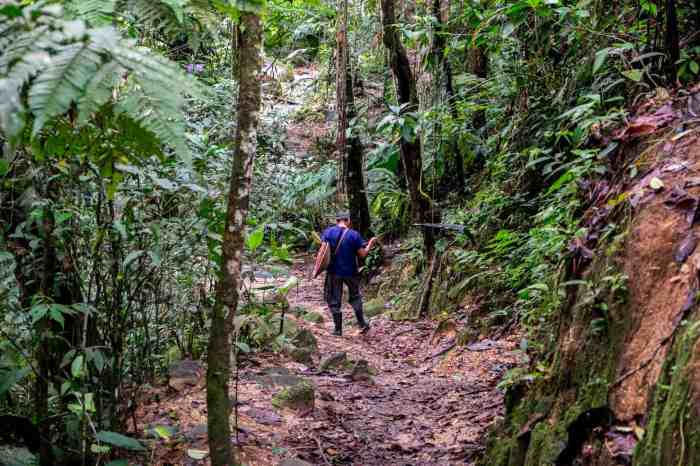
Backpacking routes with wildlife spotting opportunities – When embarking on a backpacking trip to explore routes with wildlife spotting opportunities, there are several essential tips to keep in mind to ensure a safe and enjoyable experience.
Essential Tips for Backpackers
- Research the wildlife species in the area you will be visiting to understand their behaviors and habitats.
- Carry bear spray or other deterrents if you are hiking in bear country to protect yourself in case of an encounter.
- Pack lightweight binoculars and a camera to enhance your wildlife spotting experience.
- Stay on designated trails to minimize disturbance to wildlife and their habitats.
Safety Tips for Wildlife Encounters
- Make noise while hiking to alert wildlife of your presence and avoid surprising them.
- Do not approach wildlife or try to feed them, as this can be dangerous and disrupt their natural behaviors.
- Keep a safe distance from wildlife and never place yourself between a parent and its offspring.
- Learn how to identify wildlife tracks and signs to be aware of their presence nearby.
Respecting Wildlife and Habitats
It is crucial to respect wildlife and their habitats during backpacking trips to ensure their well-being and preservation of the ecosystem.
Remember to never litter, as it can harm wildlife and pollute their environment. Always follow Leave No Trace principles to minimize your impact on the natural surroundings.
Travel Itinerary
Planning a backpacking trip that includes wildlife spotting opportunities can be an exciting and rewarding experience. By strategically incorporating key destinations known for wildlife sightings into your itinerary, you can create a balanced travel experience that combines adventure with nature exploration.
Sample Itinerary
- Day 1: Start your journey at a national park known for its diverse wildlife population. Spend the day hiking and keeping an eye out for animals such as bears, deer, and birds.
- Day 2: Travel to a wildlife sanctuary or reserve where you can participate in guided tours or safaris to observe animals in their natural habitat.
- Day 3-4: Continue your backpacking trip to a coastal area or island known for marine wildlife. Take a boat tour to spot dolphins, sea turtles, and other sea creatures.
- Day 5-7: Explore a mountainous region with opportunities to see larger mammals like mountain goats, elk, or even wolves. Consider camping overnight for a chance to hear nocturnal wildlife sounds.
Key Destinations for Wildlife Sightings
- Yellowstone National Park – Known for its geothermal features and diverse wildlife including bison, wolves, and elk.
- Maasai Mara National Reserve – A popular destination in Kenya for witnessing the Great Migration of wildebeest and zebra.
- Galapagos Islands – Home to unique species such as giant tortoises, marine iguanas, and blue-footed boobies.
Balance Wildlife Spotting with Other Experiences
While wildlife spotting is a major highlight of any backpacking trip, it’s important to balance these activities with other travel experiences to enrich your journey. Consider incorporating cultural visits, outdoor adventures like kayaking or rock climbing, or simply taking time to relax and enjoy the scenery.
Beach Resorts: Backpacking Routes With Wildlife Spotting Opportunities
Beach resorts near wildlife habitats can provide backpackers with a unique opportunity to combine relaxation by the sea with the thrill of wildlife spotting. These resorts often offer guided tours and activities that allow visitors to observe and learn about the local wildlife in their natural habitat.
Benefits of Eco-friendly Beach Resorts
- Supporting Conservation Efforts: Beach resorts that prioritize eco-friendly practices and wildlife conservation contribute to the protection of endangered species and their habitats.
- Unique Experiences: Staying at these resorts gives backpackers the chance to witness wildlife up close and personal, creating unforgettable memories.
- Educational Opportunities: Through guided tours and programs, guests can learn about the importance of wildlife conservation and sustainable tourism.
- Contribution to Local Communities: Eco-friendly beach resorts often partner with local conservation organizations, positively impacting the surrounding communities.
Examples of Beach Resorts Offering Wildlife Tours
- Turtle Island Resort, Fiji:This resort offers guided tours to witness nesting sea turtles and participate in conservation efforts to protect these majestic creatures.
- Four Seasons Resort Costa Rica at Peninsula Papagayo:Guests can explore the nearby rainforest and spot diverse wildlife such as howler monkeys, sloths, and exotic birds.
- Grootbos Private Nature Reserve, South Africa:Known for its conservation initiatives, this resort offers guided tours to see marine life like whales and dolphins along the coast.
Cultural Tours
Backpacking routes with wildlife spotting opportunities offer a unique chance to not only connect with nature but also immerse oneself in the local culture. By incorporating cultural tours into these adventures, travelers can have a well-rounded experience that goes beyond just observing wildlife.
Engaging with Local Communities
When exploring wildlife habitats, backpackers can engage with local communities by participating in cultural activities, visiting historical sites, and interacting with residents. This not only provides a deeper understanding of the area but also fosters meaningful connections with the people who call it home.
- Joining traditional ceremonies or festivals
- Learning about local customs and traditions
- Supporting local artisans and businesses
- Volunteering with community projects
Significance of Combining Wildlife Spotting with Cultural Immersion
Combining wildlife spotting with cultural immersion during backpacking trips allows travelers to appreciate the interconnectedness of nature and culture. It provides a more holistic view of the destination and promotes sustainable tourism practices that benefit both the environment and local communities.
- Enhancing the overall travel experience
- Promoting cross-cultural understanding and respect
- Supporting conservation efforts through community engagement
- Creating memorable and meaningful experiences
Cruise Vacations
Cruise vacations offer a unique way to explore wildlife in different destinations, providing travelers with the opportunity to spot diverse marine and land animals. While backpacking routes also offer wildlife encounters, cruise vacations have their own advantages for those seeking immersive wildlife experiences.
Comparison with Backpacking Routes
When comparing backpacking routes with cruise vacations focused on wildlife encounters, it’s important to note that cruises provide a more comfortable and luxurious travel experience. On a cruise, travelers can enjoy amenities such as onboard entertainment, gourmet dining options, and organized wildlife excursions led by expert guides.
In contrast, backpacking often involves roughing it out in nature, carrying your own gear, and navigating remote trails independently.
Advantages of Backpacking for Wildlife Enthusiasts, Backpacking routes with wildlife spotting opportunities
Backpacking allows travelers to truly immerse themselves in nature and wildlife habitats. By hiking through national parks, forests, and remote areas, backpackers have the opportunity to spot animals in their natural environment without the crowds often found on cruise excursions.
Additionally, backpacking promotes a deeper connection with the natural world, as travelers rely on their own skills to navigate and survive in the wilderness.
Incorporating Short Cruises into Backpacking Trips
For backpackers looking to enhance their wildlife spotting opportunities, incorporating short cruise segments into their trips can provide a unique experience. By booking day cruises or overnight excursions to wildlife-rich areas, backpackers can access remote locations not easily reachable by land.
These short cruises can offer close encounters with marine life, such as dolphins, whales, and sea turtles, as well as opportunities to explore uninhabited islands and coastal ecosystems.
Backpacking Trips
When embarking on backpacking trips with wildlife spotting opportunities, it is essential to be well-prepared with the right gear and equipment to ensure a safe and enjoyable experience. Planning logistics for such trips is crucial to maximize wildlife encounters while minimizing any negative impact on the environment.
Responsible travel practices are key to preserving the natural habitats and wildlife that backpackers come across during their adventures.
Essential Gear and Equipment
- High-quality backpack with proper weight distribution for long hikes
- Sturdy hiking boots for varied terrain and protection
- Appropriate clothing layers for changing weather conditions
- Compact and lightweight camping gear for overnight stays
- Binoculars and a camera with a zoom lens for wildlife observation and photography
- First aid kit and emergency supplies for unexpected situations
Planning Logistics
- Research the wildlife species in the area and their habits to increase chances of spotting them
- Obtain necessary permits and permissions for backpacking in protected areas
- Create a detailed itinerary with backup plans for emergencies or changes in weather
- Pack enough food and water for the duration of the trip, considering the lack of amenities in remote areas
- Practice Leave No Trace principles to minimize impact on the environment and wildlife
Responsible Travel Practices
- Stay on designated trails to avoid disturbing wildlife habitats
- Avoid feeding or approaching wild animals for both their safety and yours
- Dispose of waste properly and pack out all trash to keep the environment clean
- Respect wildlife by observing from a safe distance and not disrupting their natural behavior
- Support local conservation efforts and wildlife protection initiatives in the areas you visit
City Breaks
When planning a backpacking trip with wildlife spotting opportunities, adding city breaks to the itinerary can provide a nice balance between urban exploration and wildlife encounters. Cities often have nearby wildlife habitats where backpackers can embark on quick excursions to spot unique flora and fauna.
Accommodations Near Wildlife Habitats
Finding accommodations in cities that are close to wildlife habitats is key for backpackers looking to maximize their wildlife spotting opportunities. Here are some recommendations on how to find such accommodations:
- Research accommodations located near national parks, nature reserves, or wildlife sanctuaries to easily access wildlife habitats.
- Look for eco-friendly lodges or guesthouses that promote sustainable tourism and are situated in proximity to wildlife-rich areas.
- Consider staying in boutique hotels or resorts that offer guided wildlife tours or have partnerships with local conservation organizations for unique wildlife experiences.
Travel Blogs
Travel blogs play a crucial role in providing valuable insights and inspiration for backpackers looking to explore wildlife spotting opportunities along their routes. These blogs not only showcase stunning photographs and captivating stories but also offer practical tips and advice for a successful wildlife encounter experience.
Identify Popular Travel Blogs
- Nomadic Matt: Known for in-depth travel guides and personal anecdotes, Nomadic Matt’s blog often features wildlife encounters in various backpacking destinations.
- The Planet D: This travel blog run by a couple showcases their adventures in wildlife-rich locations around the world, sharing tips on how to responsibly interact with animals.
- The Blonde Abroad: Offering a female perspective on travel, The Blonde Abroad includes wildlife spotting experiences in her detailed itineraries and destination guides.
Role of Travel Blogs
Travel blogs serve as a source of inspiration and education for backpackers interested in wildlife encounters during their trips. They provide firsthand accounts, tips on ethical wildlife viewing, conservation efforts, and recommended gear for wildlife spotting. By sharing personal experiences and expert advice, travel blogs help readers prepare for and make the most of their wildlife adventures.
Tips on Creating a Travel Blog
- Choose a niche: Focus on backpacking routes with wildlife spotting opportunities to attract a specific audience interested in this type of travel.
- Create engaging content: Share captivating stories, stunning photographs, and practical tips to keep your readers interested and inspired.
- Build a community: Engage with your audience through social media, respond to comments, and collaborate with other travel bloggers to expand your reach.
- Monetize your blog: Consider affiliate marketing, sponsored content, and partnerships with brands related to wildlife spotting gear or conservation organizations to generate income from your travel blog.
Travel Essentials
When embarking on a backpacking trip focused on wildlife spotting, it is essential to pack the right items to ensure a comfortable and safe journey. Additionally, considering the impact on the environment is crucial when selecting travel essentials for such trips.
Here are some insights on how to pack sustainably and minimize your environmental footprint while on a backpacking adventure with wildlife encounters.
Essential Items for Wildlife Spotting
- Binoculars: To get a closer look at wildlife from a safe distance.
- Camera or Smartphone: Capture memorable moments without disturbing the animals.
- Reusable Water Bottle: Stay hydrated while reducing single-use plastic waste.
- Sunscreen and Bug Repellent: Protect yourself from the sun and insects while respecting the ecosystem.
- Portable Charger: Keep your devices powered up for navigation and communication.
- First Aid Kit: Be prepared for any minor injuries or emergencies on the trail.
Sustainability and Eco-Friendly Products
- Biodegradable Toiletries: Opt for eco-friendly options to minimize pollution in natural habitats.
- Reusable Containers and Utensils: Reduce plastic waste by carrying reusable items for meals on the go.
- Solar-Powered Gear: Embrace renewable energy sources for your electronic devices.
- Eco-Friendly Backpack: Choose a sustainable backpack made from recycled materials.
Minimizing Environmental Impact
- Leave No Trace: Follow the principles of Leave No Trace to preserve the natural beauty of the wilderness.
- Pack Light: Carry only what you need to reduce your carbon footprint and make hiking easier.
- Respect Wildlife: Observe animals from a safe distance and avoid feeding or approaching them.
- Dispose of Waste Properly: Pack out all trash and dispose of it in designated areas to keep the environment clean.
Travel Photography
Travel photography is an essential part of documenting your backpacking trips, especially when it comes to capturing stunning wildlife photographs. Here are some tips to help you make the most out of your wildlife photography experiences.
Tips for Capturing Stunning Wildlife Photographs
- Patience is key: Wildlife photography requires a lot of waiting and observing. Take your time to find the perfect shot.
- Use natural light: Try to shoot during the golden hours of sunrise and sunset for the best lighting conditions.
- Get down to eye level: To create more intimate and engaging photos, try to capture wildlife at eye level rather than shooting from above.
- Focus on the eyes: The eyes are the window to the soul, even in wildlife photography. Make sure to focus on the eyes of the animal for a compelling shot.
- Respect the animals: Always maintain a safe distance from wildlife and never disturb their natural behavior for the sake of a photo.
Importance of Ethical Wildlife Photography Practices
Ethical wildlife photography practices are crucial to ensure the well-being and safety of the animals you encounter during your backpacking trips. Remember that wildlife is not there for our entertainment, and it is our responsibility to document their beauty respectfully.
Recommendations on Camera Gear and Settings
When photographing wildlife in natural habitats, consider investing in a telephoto lens to capture animals from a safe distance without disturbing them.
- Camera settings: Use a fast shutter speed to freeze the motion of wildlife, a wide aperture to achieve a shallow depth of field, and a low ISO to reduce noise in your photos.
- Additional gear: Don’t forget essentials like a sturdy tripod for stability, extra batteries and memory cards, and a camera bag to protect your equipment while on the go.
Q&A
Are there any specific safety measures to keep in mind while backpacking in areas known for wildlife encounters?
It’s essential to make noise while hiking to alert wildlife of your presence, carry bear spray in bear country, and avoid feeding or approaching any wild animals.
How can backpackers ensure they respect wildlife and their habitats during their trips?
Respecting wildlife includes observing from a distance, not feeding them, staying on designated trails, and avoiding disrupting their natural behavior.
What are some essential gear items for backpackers venturing on routes with wildlife spotting opportunities?
Key gear includes a sturdy backpack, water purification system, lightweight tent, quality hiking boots, and binoculars for wildlife viewing.
How can travelers balance wildlife spotting activities with other travel experiences in their itinerary?
It’s important to allocate specific time slots for wildlife encounters, interspersed with cultural tours, city breaks, or beach resort stays to create a well-rounded travel experience.